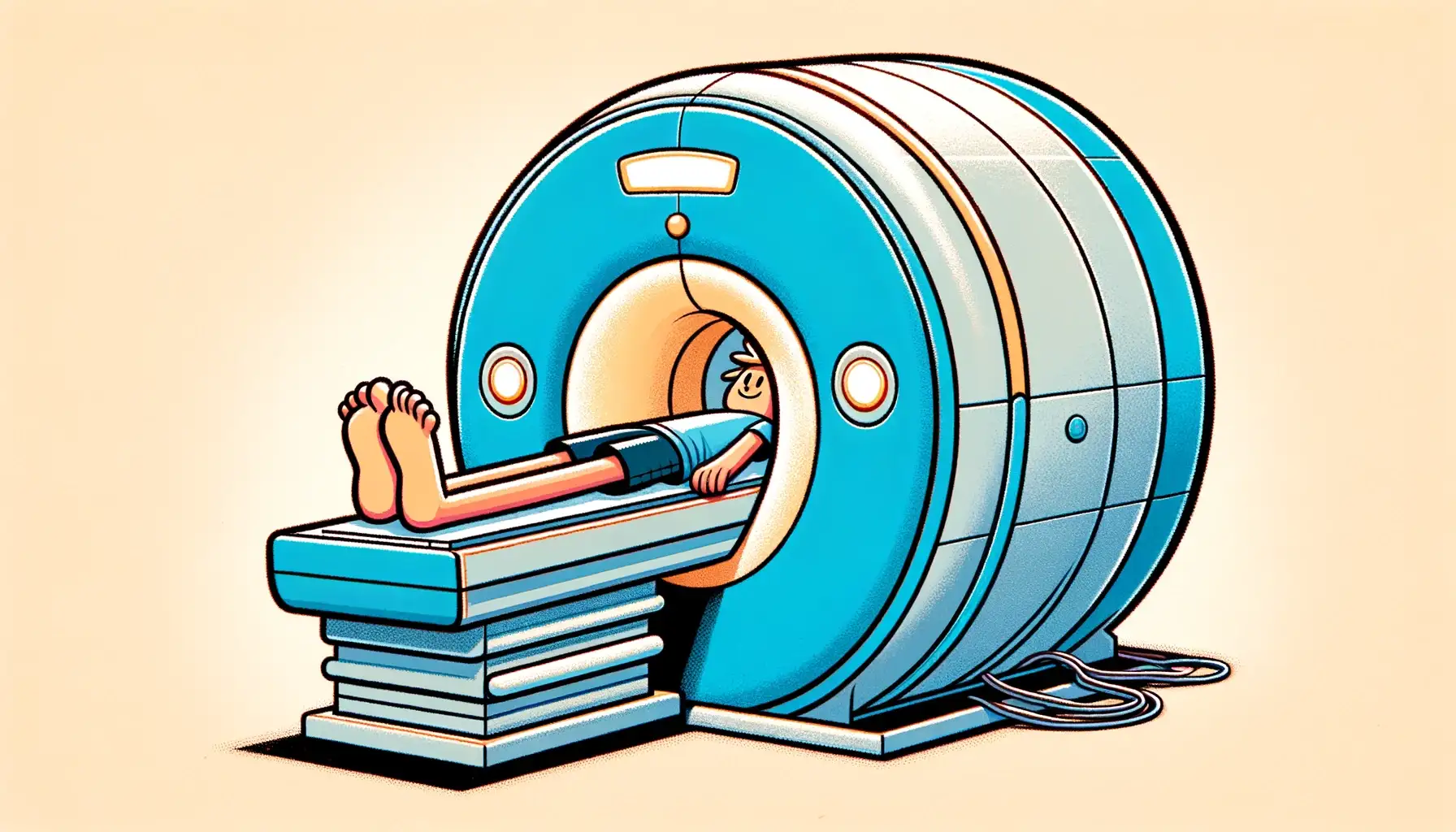
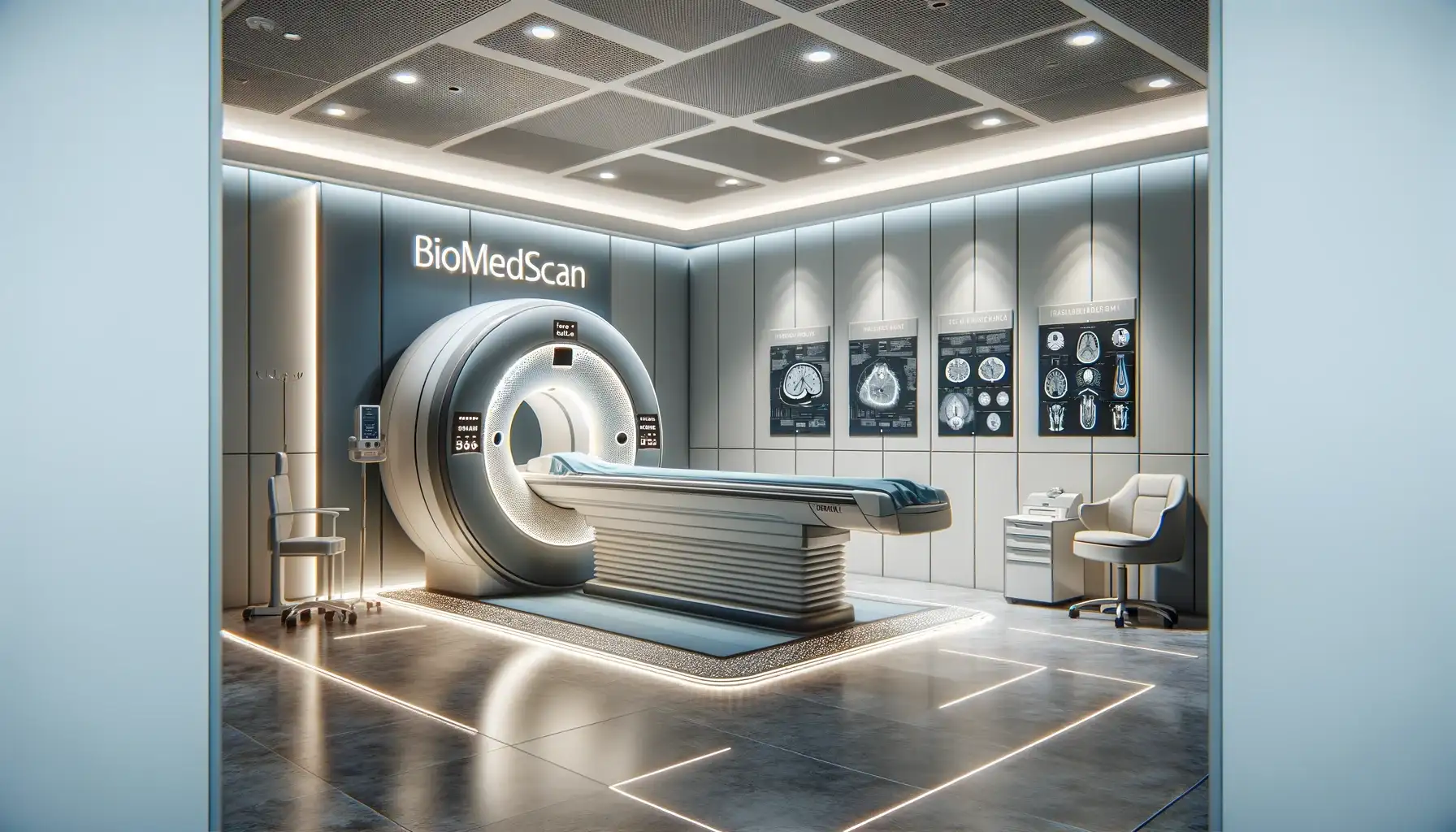
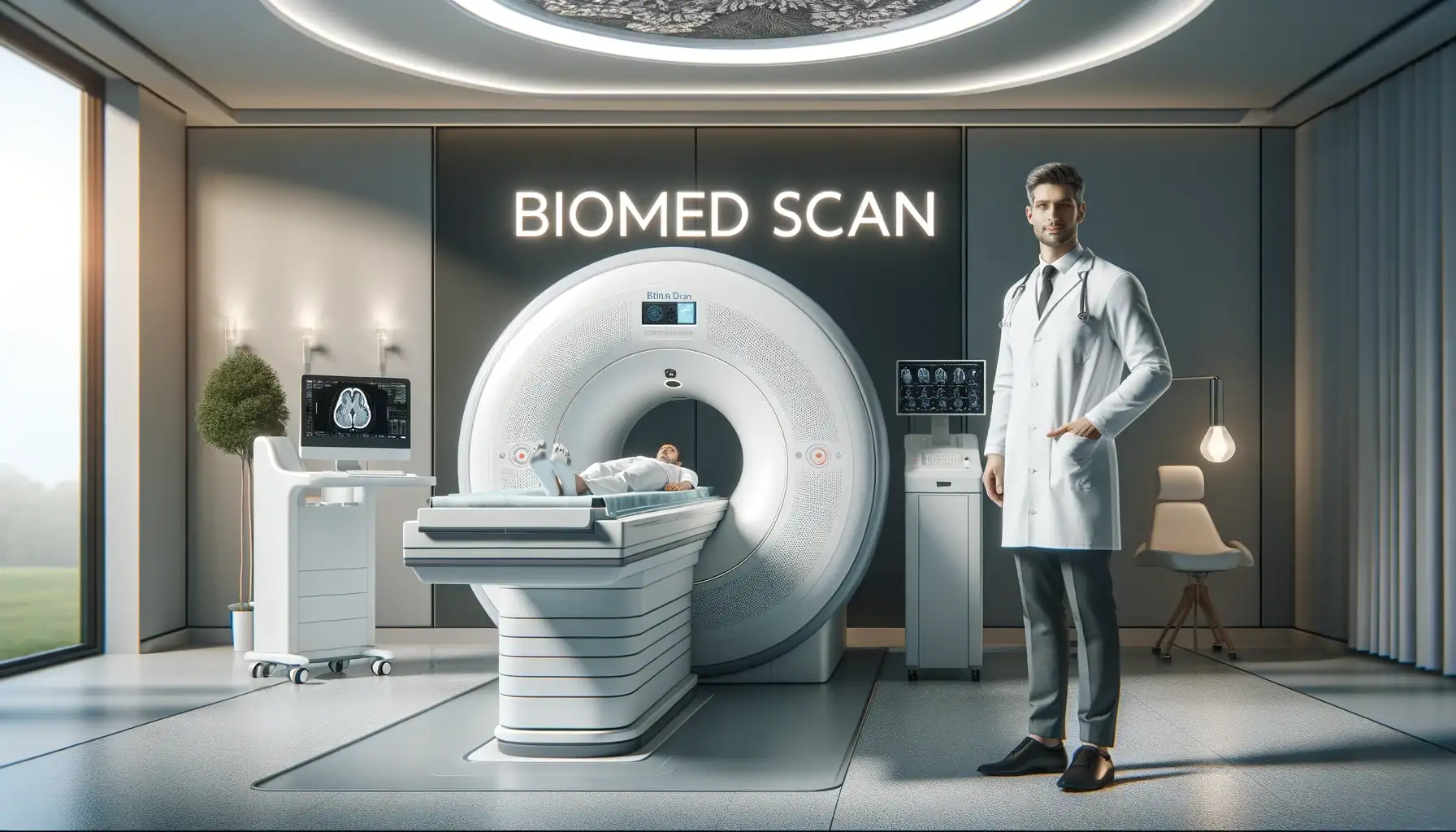
Biomed Scan Clinic, a prominent MRI center in Bucharest, has been providing exceptional imaging services for over nine years.
Preparation: Patients are required to remove all metal objects from their bodies, including hearing aids, dental plates, jewelry, watches, and hairpins, due to the strong magnetic field used in MRI.
Specializing in a broad spectrum of MRI-based imaging techniques, the clinic has served over 120,000 patients, showcasing a vast experience in various pathologies. The clinic's commitment to advanced imaging technology provides significant anatomical and physiological information, often complementing other diagnostic methods like CT, radiography, or ultrasound.
Pacemakers and Implantable Devices: Patients with pacemakers or certain other implantable electronic devices may not be eligible for an MRI.
Facilities and Equipment
Communication: Throughout the examination, patients can communicate with the medical practitioner or MRI operator through a microphone.
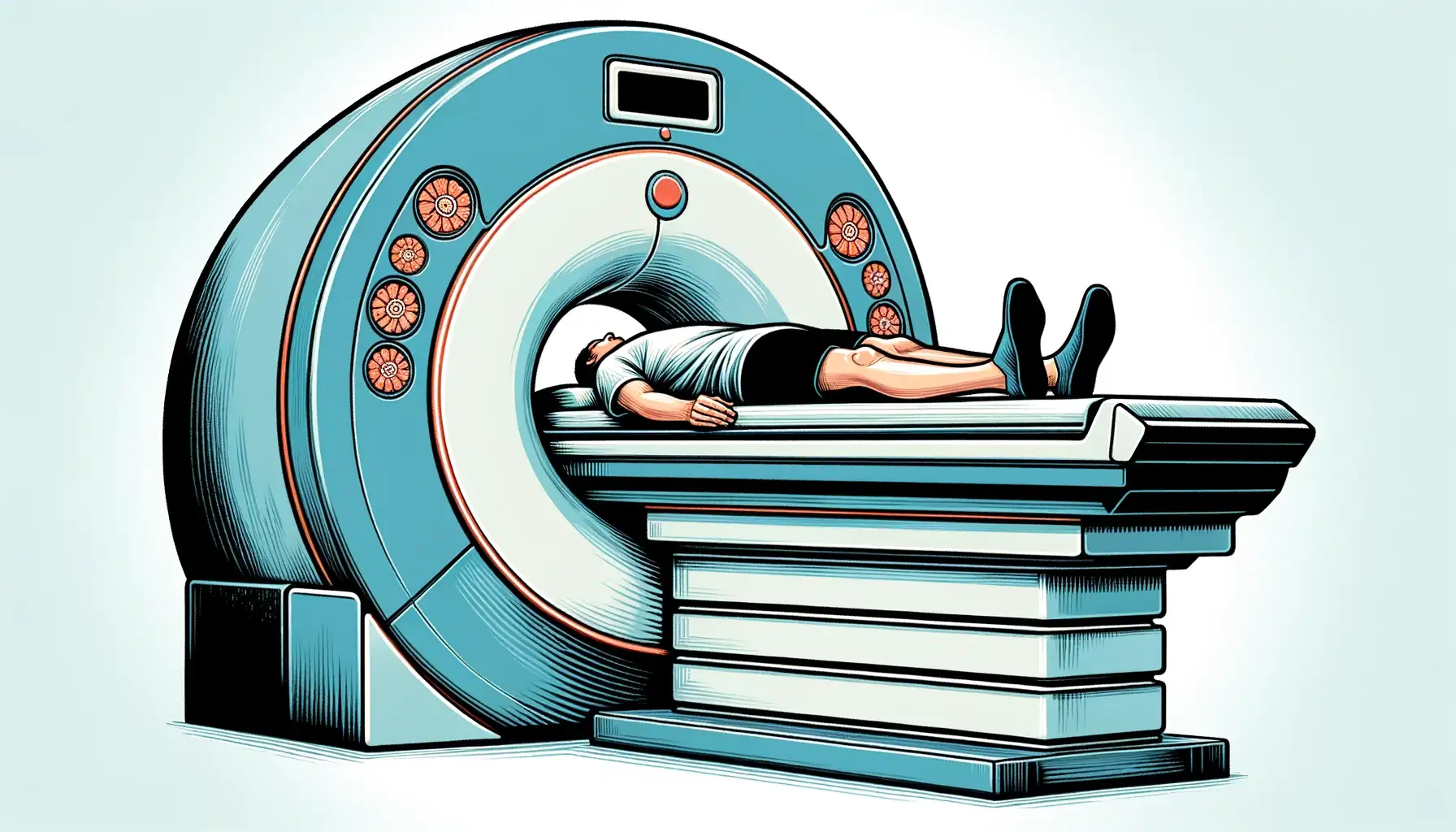
Notably, it is among the few private MRI clinics in Bucharest to have a 3 Tesla MRI machine (GE Signa HDxt), which is known for its superior image quality and diagnostic accuracy. This advanced technology is instrumental in addressing a wide range of medical conditions with precision.
Additionally, the clinic's commitment to quality is underscored by its accreditation and certification according to ISO 9001:2008 standards. This certification reflects the clinic's adherence to international standards in healthcare service quality, ensuring that patients receive the best care in a safe and professionally managed environment.
As medical technology evolves, Biomed Scan Clinic is likely to continue integrating cutting-edge advancements, maintaining its position as a pivotal player in Bucharest's medical imaging arena.
MRI vs. CT Scans: While both MRI and CT scans are used for diagnostic imaging, MRI does not use ionizing radiation like CT scans. MRI provides better contrast in soft tissues, making it ideal for imaging organs, soft tissues, and the central nervous system.
General MRI Examinations: These include cerebral MRI, lumbar MRI, abdominal MRI, and more. Specialized exams, such as Angio RMN cerebral, are also available. The clinic offers a comprehensive range of MRI services to suit various diagnostic needs.
The clinic prides itself on its advanced MRI technology. Equipped with high-end MRI systems from renowned manufacturers such as Siemens and General Electric, Biomed Scan offers both 1.5 Tesla and 3 Tesla imaging capabilities.
Types of MRI Examinations:
Contraindications: Patients with pacemakers, certain types of hearing aids, and certain metal implants may not be suitable for MRI due to the strong magnetic field. MRI is generally avoided during the first trimester of pregnancy.
Patient Care and Comfort:
This includes, but is not limited to, neurological disorders (such as brain tumors, multiple sclerosis, and epilepsy), orthopedic conditions (like fractures and joint problems), oncological cases (such as breast, prostate, and liver tumors), and various cardiovascular and abdominal organ diseases.
MRI Services Offered at Biomed Scan Clinic
Unique Advantages of MRI:
Access to Biomed Scan Clinic is convenient, with proximity to major public transportation routes including bus lines 101, 102, 311, and the Titan metro station. This ease of access ensures that patients can reach the clinic without any hassle.
This article delves into the comprehensive MRI services provided by Biomed Scan Clinic in Bucharest, a facility renowned for its state-of-the-art technology, expert medical professionals, and commitment to patient care.
Hearing Protection: Patients may be provided with earplugs or headphones to protect against the noise produced by the MRI machine.
MRI sequences are sets of parameters that dictate how the MRI machine will operate to create images. Spin echo and gradient echo are types of sequences that manipulate the protons' behavior in the body, providing different types of image contrast and resolution.